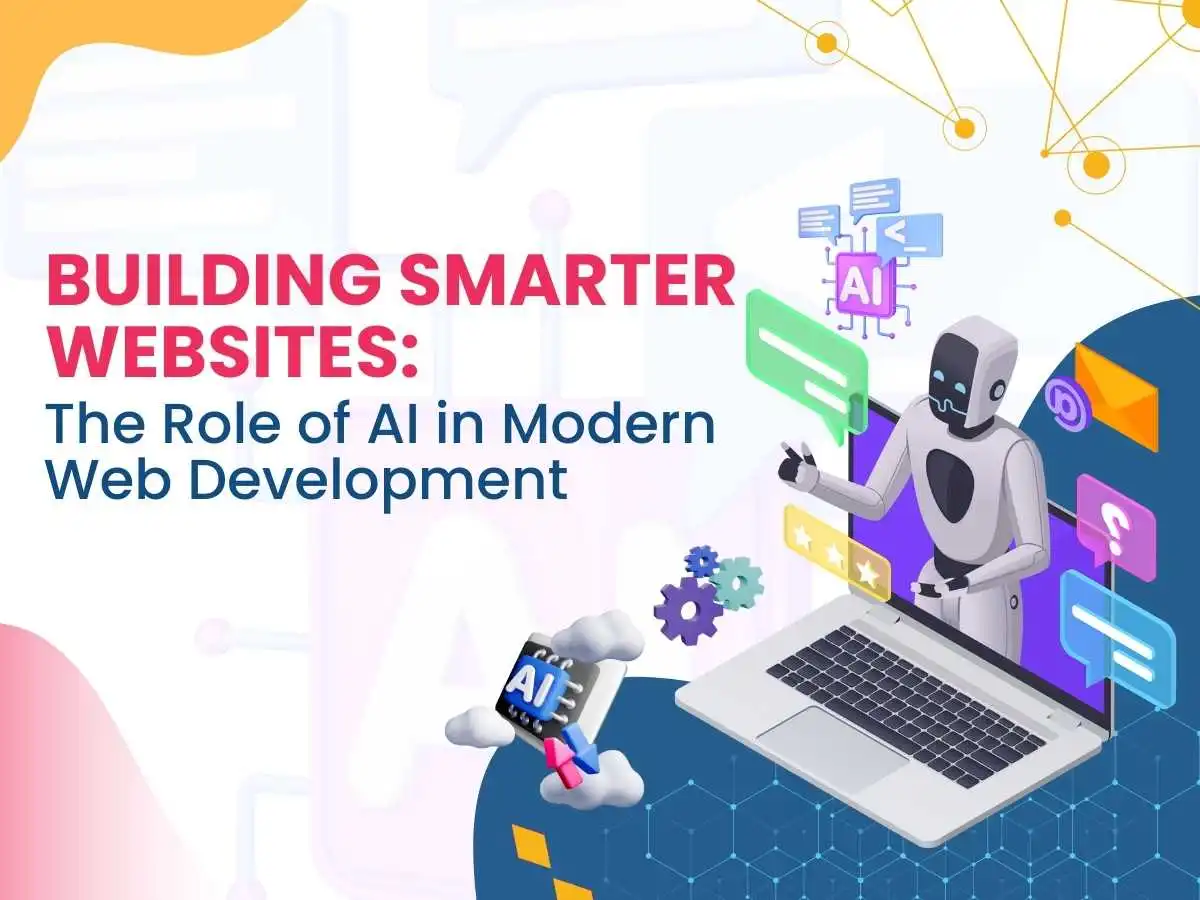
Modern web development is no longer approximately assembling static pages or applying visible topics. Today’s websites have become intelligent systems—able to adapt to customers, devices, and information in real time. Artificial Intelligence has become an imperative enabler that is revolutionizing the way websites are designed, improved, and maintained.
Rather than performing as a standalone characteristic, AI is now woven into the technical fabric of modern web platforms.
AI as a Structural Layer in Web Architecture
In advanced development environments, AI is more and more dealt with as a structural layer instead of an upload-on. It affects how data flows via the device, how additives interact, and how selections are made at runtime.
Many experienced website developers Toronto businesses work with incorporate AI early in the architecture phase to ensure systems can adapt without requiring repeated redevelopment. This reduces long-term technical debt and allows applications to evolve alongside consumer conduct.
Front-End Intelligence and Adaptive User Interfaces
AI has significantly changed how front-end systems behave. Instead of delivering fixed interfaces, modern websites can adapt layouts, interactions, and content visibility based on user behavior and context.
From a technical perspective, AI-driven front-end logic enables:
- Dynamic rendering paths that reduce unnecessary processing
- Context-aware UI adjustments for different devices and accessibility needs
- Smarter content loading strategies that improve responsiveness
These capabilities permit builders to construct interfaces that feel intuitive whilst remaining efficient and maintainable.
Backend Systems Powered by AI Decision Logic
On the backend, AI introduces adaptive decision-making that goes beyond traditional rule-based logic. Machine learning models analyze real-time and historical data to guide how systems respond to changing conditions.
In modern website development Toronto, AI-driven backend systems are commonly used to:
- Optimize database queries based on usage patterns
- Manage API responses dynamically under varying loads
- Detect and solve system anomalies earlier than they boost
This results in backend infrastructure that is extra resilient, scalable, and self-regulating.
Performance Engineering Through Predictive Optimization
Performance optimization has improved beyond easy techniques like caching and minification. AI adds a predictive layer, permitting structures to anticipate performance-demanding situations in place of really reacting to them.
AI-driven performance optimization helps:
- Identify bottlenecks before users experience slowdowns
- Adjust resource allocation dynamically
- Improve real-world performance metrics such as load stability and interaction responsiveness
These enhancements are achieved without increasing architectural complexity, making performance engineering more sustainable over time.
AI-Assisted Development, Testing, and Code Maintenance
AI also complements the improvement lifecycle itself. Intelligent gear aids builders by way of analyzing codebases, figuring out inefficiencies, and assisting with testing and maintenance.
Selective use of AI in development workflows enables:
- Early detection of logic flaws and performance issues
- Smarter test coverage based on real usage scenarios
- Continuous improvement of code quality in large-scale projects
This allows development teams to maintain high standards without slowing down delivery.
Security Engineering with AI-Based Monitoring
Security remains a technically demanding aspect of modern web development. AI strengthens security systems by monitoring behavior patterns rather than relying solely on predefined rules.
AI-powered security systems can:
- Detect abnormal traffic and access behavior
- Respond to potential threats in real time
- Reduce false positives while improving threat accuracy
This proactive approach significantly improves system reliability and user trust.
Scalability and Long-Term System Adaptability
One of AI’s most valuable technical contributions is its ability to support scalability. Intelligent systems can adapt to growth without requiring constant restructuring or manual intervention.
For long-term projects, this means:
- Predictive scaling of infrastructure resources
- Smarter load distribution across systems
- Easier integration of new features and technologies
Forward-thinking website developers Toronto teams understand that AI enables systems to grow organically rather than through repeated rebuilds.
AI has become a defining detail of modern web development, influencing structure, performance, security, and scalability at a technical level. By embedding intelligence throughout front-end and backend structures, websites can function as adaptive platforms rather than static builds.
For businesses investing in advanced Website Development Toronto, AI-driven development offers a robust technical foundation—mainly in competitive markets like Toronto—in which reliability, adaptability, and overall performance are vital.
About Eccentric Business Intelligence
Eccentric Business Intelligence is a technology-focused digital organization focusing on advanced net development, intelligent system architecture, and scalable virtual systems. Our method combines modern engineering practices with AI-driven common sense to deliver websites built for performance, resilience, and long-term growth.